Why Engineered Hardwood Flooring Is Perfect for Homes Like Yours
Apr 29, 2026 | Flooring Canada
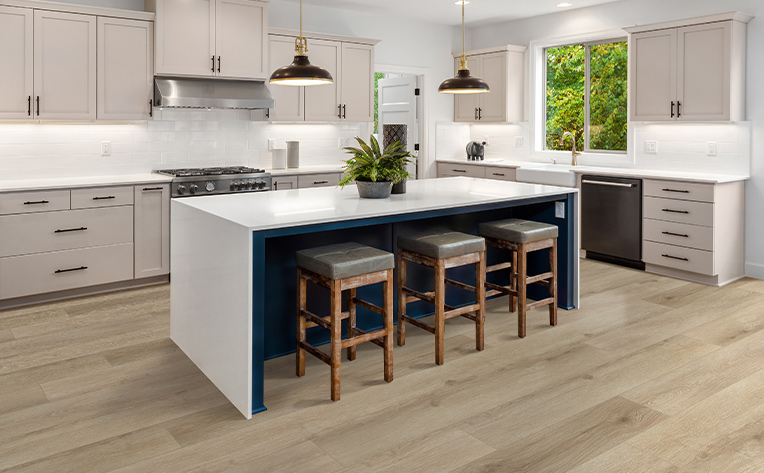
Upgrading your home’s flooring is a big decision, especially when you are balancing the desire for beautiful design with the practical needs of a busy family. You want a floor that welcomes you home, handles the everyday foot traffic of kids and pets, and adds lasting value to your space.
If you are looking for the warmth and authenticity of real wood, engineered hardwood flooring is an incredible option for modern households, combining timeless elegance with smart construction designed to handle real life.
As your neighbourhood flooring experts, we understand that choosing a floor means balancing style with the durability needed for daily life. We're here to walk you through what makes engineered hardwood a great fit for your home. Together, we'll explore this popular flooring option more in depth and help you choose the right style for your family.
What Is Engineered Hardwood Flooring?
When you hear "engineered," you might wonder if it's real wood. The answer is yes. The top layer of engineered hardwood is genuine hardwood, giving you the same natural beauty as traditional solid wood, but the real difference lies underneath.
Engineered hardwood consists of a real wood veneer bonded to a highly stable core, typically made of high-quality plywood or high-density fiberboard (HDF) stacked in a cross-grain pattern.
This construction gives engineered hardwood floors a significant advantage in moisture resistance. While solid wood can expand and contract with humidity changes, the layered core in engineered wood keeps the plank stable. This means you can confidently install it in areas like basements or kitchens, where solid wood might not be suitable, and achieve a beautiful wood look throughout your home with peace of mind.
Choosing the Right Style for Your Family
Finding the perfect floor means looking at both the style you love and the durability your family needs. Here is how to navigate the technical details without getting overwhelmed.
Wood Species and the Janka Hardness Scale
Different trees offer different levels of natural durability. In the flooring industry, this is measured using the Janka hardness scale, which tests how resistant a wood species is to denting and wear.
For families, red and white oak are popular choices. They have a strong Janka rating that holds up to normal household traffic, and their classic grain pattern effectively hides minor scratches. For households with large dogs or high activity, hickory is one of the hardest woods available. It has a high Janka rating and features bold colour variations that can lend a unique, rustic charm to your space.
How Plank Width Impacts Your Room
Beyond strength, it's important to consider the style you want. The width of your flooring planks can completely change the feel of a room, with different widths offering different benefits.
- Standard Planks (3 to 5 inches): These offer a traditional, timeless look. Narrower planks also tend to be slightly more stable against moisture variations.
- Wide Planks (5 inches or more): Wide planks are a popular trend right now because they make spaces feel larger, more open, and highly contemporary. They show more of the natural wood grain, bringing a beautiful, organic warmth to your living spaces.
Essential Factors to Consider When Shopping for Engineered Floors
As you browse different engineered hardwood flooring options, keep these three key factors in mind to ensure you get the best value for your investment.
- Wear Layer Thickness: The top layer of real wood (the wear layer) varies in thickness. A thicker wear layer, 3mm or more, can mean the floor can be lightly sanded and refinished down the road, extending its lifespan.
- Finishes: The finish is your floor's invisible shield against kids' toys and pet claws. Look for planks treated with factory-applied coatings that provide exceptional scratch and stain resistance.
- Warranties: A good warranty is a sign that the company stands behind its product. We believe in the quality and durability of our floors, which is why we offer comprehensive warranties. It's our promise to you that your investment is protected, giving you the peace of mind to enjoy your beautiful new floors for years to come.
How Does Engineered Hardwood Compare to Other Flooring Types?
When choosing new floors, it's helpful to consider your options side by side. Here’s how engineered hardwood stands with other popular choices for busy households:
- Engineered vs. Solid Hardwood: While both offer the timeless look of wood, engineered hardwood has a layered core for extra stability and moisture resistance, making it great for most rooms. Solid hardwood is a single piece of wood, known for its classic appeal, but it's more sensitive to humidity changes.
- Engineered Hardwood vs. Vinyl Flooring: Vinyl is a synthetic flooring that is incredibly durable and comes in 100% waterproof options, perfect for handling spills and pets with ease. While it mimics wood's appearance, engineered hardwood offers the authentic look and feel of real wood.
- Engineered Hardwood vs. Laminate Flooring: Laminate is a synthetic flooring made from composite wood with a photo-realistic layer that mimics wood or tile. While engineered hardwood gives you that genuine wood feel, laminate offers a durable, scratch-resistant, and budget-friendly alternative that’s incredibly easy to care for.
Each flooring option brings unique strengths, and we're here to help find the perfect match for your style, needs, and busy family life.
Expert Advice, Tailored to You
Feeling overwhelmed? Let us bring our showroom to you! Book a free, no-obligation home consultation, and one of our friendly flooring experts will visit with samples, measure your space, and provide a personalized estimate so you can see how different floors look in your own light and next to your furniture, all from the comfort of home.
Claim your free estimate now and take the first step toward your dream floors.
Installing Engineered Hardwood Flooring
Like any beautiful floor, engineered hardwood flooring requires proper installation to ensure it looks great and lasts. The process starts with preparing the subfloor, which must be clean and level to prevent issues like squeaking or separating planks. Engineered hardwood offers three main installation methods:
- Floating: Planks are connected to each other over an underlayment, ideal for installation over existing hard surfaces.
- Glue-Down: Planks are glued directly to the subfloor for a solid feel.
- Nail/Staple-Down: Fasteners are driven through the planks into a plywood subfloor, a more traditional method.
Maintenance Tips for Beautiful Engineered Hardwood
Engineered hardwood is easy to maintain. While it is more stable than traditional hardwood, it can still be susceptible to moisture. The most important step is to keep your home's relative humidity between 35% and 55% to prevent the wood from shrinking or expanding. When it comes to cleaning, sweep or vacuum with a soft-bristle attachment and clean up spills immediately. Need a deeper clean? A slightly damp mop with a cleaner made for hardwood floors will do the trick. It's important to avoid steam mops and overly damp mops, as they can damage your floors.
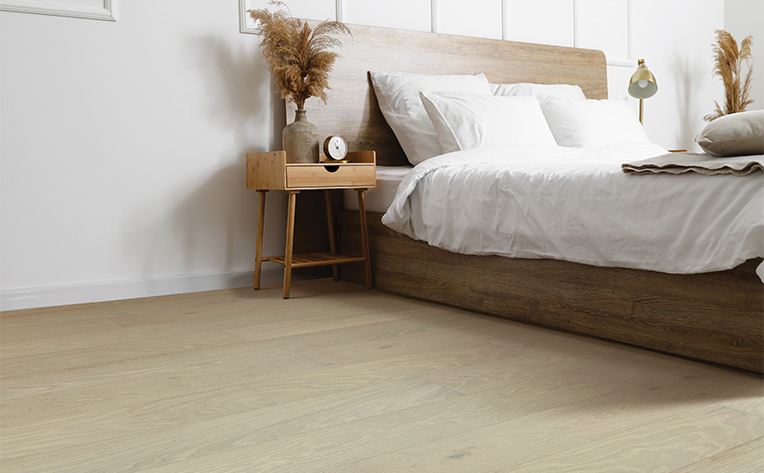
Ready to Bring Your Vision to Life?
Choosing engineered hardwood is an investment in your home's comfort, beauty, and long-term value. Its family-friendly durability and timeless appeal make it a floor you'll love living on every day.
Shopping for flooring can feel daunting, but you don't have to figure out wear layers and installation methods alone. We're here to offer practical advice tailored to your household's needs.
Ready to find the perfect engineered hardwood for your busy home? Visit our local showroom to see and feel our collections in person. Have a question? Our flooring experts are here to help. Get in touch below. We can't wait to help you transform your space.
Related Articles
- Flooring Ideas For Smaller Spaces
- What Is Backsplash Tile?
- Best Wood-Look Flooring Options for Every Style and Budget
- The Ultimate Guide to the Best Carpets for High-Traffic Areas
Popular Now
- Top Questions to Ask Your Flooring Expert Before You Buy
- Interior Design Trends to Expect in 2025
- The Bold Return of 1970s Interior Design
- The 7 Elements of Interior Design
Other Categories
Share This