Your Guide to a Monochromatic Colour Scheme in Interior Design
Jan 29, 2025 | Flooring Canada
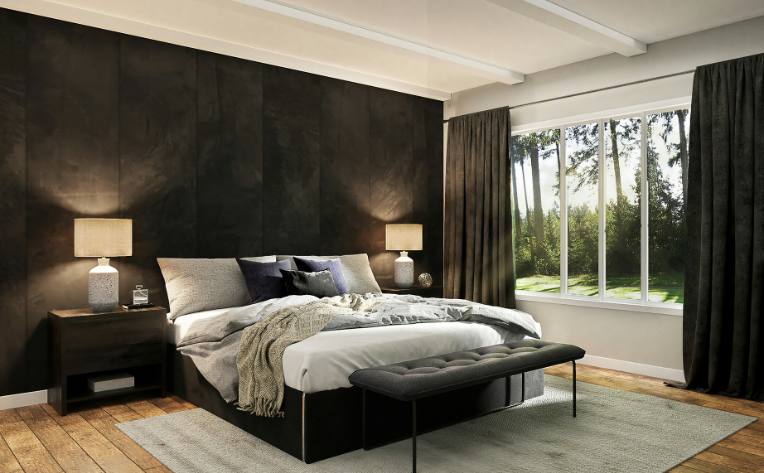
Monochromatic interior design is more than a passing trend—it’s a timeless style that brings sophistication, balance, and harmony to any room. But what exactly does it mean to go monochromatic, and how can this design principle turn a simple space into an inspiring retreat?
This guide will explore the fundamentals of monochromatic colour schemes, their application in interior design, and actionable tips on how to master this misunderstood art form. Whether redefining a cozy living room or designing an upscale dining area, the monochromatic approach offers endless possibilities.
What is Monochromatic Interior Design?
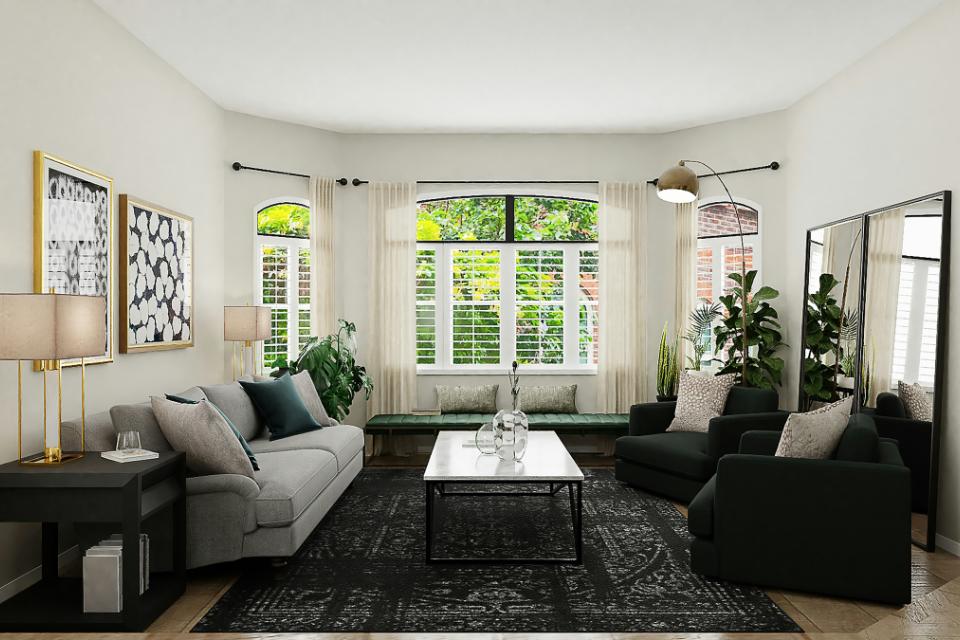
At its core, monochromatic interior design revolves around a single hue as the star of the show. But don't be fooled by the simplicity—it doesn't exclusively mean using one solid colour throughout a space. A monochromatic design thoughtfully combines various shades, tints, and tones of a single colour alongside complementary textures and accents to add depth and dimension.
For instance, you might pair a light gray wall with a charcoal rug, silver metallic decor, and white furniture. The beauty of this approach lies in its ability to create visual interest while maintaining balance and cohesion.
What Defines a Monochromatic Colour Scheme?
A true monochromatic colour scheme includes variations of the following:
- Base Colour (your foundational hue)
- Tints (your base colour mixed with white for lighter tones)
- Shades (your base colour mixed with black for darker tones)
- Tones (your base colour mixed with gray for more neutral shades
Benefits of Using a Monochromatic Colour Scheme
Why should you consider adopting a monochromatic design in your home? Here’s what makes it a versatile and highly appealing choice.
1. Timeless Elegance
By relying on a single colour family, monochromatic palettes naturally feel cohesive and polished. The subtle gradation of shades evokes a sense of sophistication that is neither loud nor cluttered.
2. Versatility for All Spaces
Monochromatic colour schemes excel in small spaces where too many colours might feel chaotic. Their streamlined appearance creates an illusion of width and height, making areas appear larger. However, they also enrich larger rooms with an understated elegance.
3. Easy to Style and Adapt
Once you’ve chosen a base colour, decorating becomes simpler. You can incorporate layers of texture, artwork, and even accent colours without the risk of clashing tones.
4. Promotes Relaxation
The cohesion of a monochromatic scheme reduces visual noise, creating a serene and balanced environment. A monochromatic living room or bedroom can become the perfect retreat to unwind after a busy day.
How Does Monochromatic Design Affect Room Feel?
Monochromatic interiors have a unique ability to evoke emotion. The mood of a room will vary based on:
- Hue Selection – Blue tones often promote calm, while warmer hues like mustard yellow evoke energy.
- Texture and Material Use – The addition of textured fabrics, metallic finishes, or natural elements like wood enhances richness and prevents monotony.
For example, in a monochromatic living room, pairing matte gray walls with plush silver cushions and a sleek leather couch creates a cozy yet modern ambiance.
Mastering Monochromatic Design — 6 Expert Tips
1. Start with a Base Colour You Love
Select a hue that resonates with you and matches the atmosphere you want to create. Whether your focus is overall comfort (neutral undertones like beige or gray) or dramatic effect (deep hues like emerald green or navy blue), the base colour will anchor your palette.
2. Layer Textures to Amplify Visual Interest
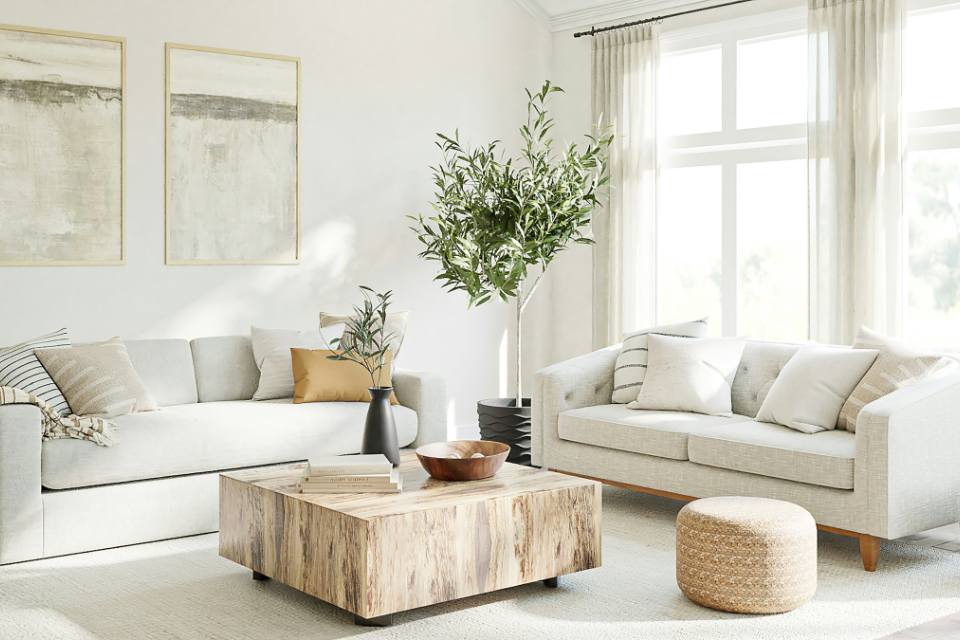
Monochromatic doesn’t mean boring! Add textures—think knits, velvets, natural fibers, or metallics—to give the space depth and dimension. A textured rug, patterned throw pillows, and sophisticated wallpaper can make the room inviting.
3. Play With Lighting
Strategically placed lighting is crucial in accentuating the subtle differences in your shades and tones. Warm lighting can bring out softness, while cooler lighting highlights contrast in darker areas. Don’t forget that natural light also contributes to how tints and shades come alive throughout the day.
4. Include Subtle Pattern Variations
From stripes and polka dots to geometric designs, patterned decor adds charm to the room without overwhelming the monochromatic effect. Stick within your colour family for consistency.
5. Understand the Role of Accent Colours
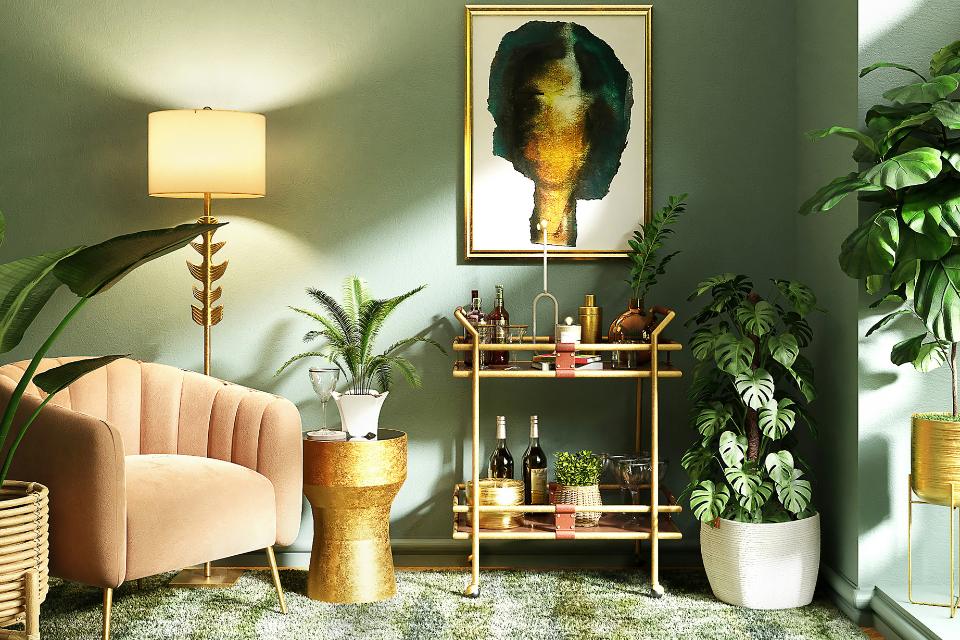
Although monochromatic schemes focus on a single-colour family, it doesn’t hurt to add minimal accent colours for intrigue. Neutral shades (white, black, or cream) or metallics (gold, copper, or silver) work best while staying within the overall design’s aesthetic.
6. Experiment Across Different Spaces
- Living Rooms – Use tones of beige or gray with different textures for furniture, rugs, and curtains.
- Dining Rooms – Experiment with bold hues like navy or forest green for walls and pair with lighter tints for dining chairs and decor.
- Bedrooms – Soft pastel hues like blush pink or lavender can create a relaxing retreat.
A Versatile Concept for Any Interior
Monochromatic interiors prove that sticking to one colour family doesn’t limit creativity. They allow you to emphasize other elements, like furniture shapes, material quality, and the flow of natural light. Whether designing an ultra-modern space or a classic retreat, your use of shades, tints, and textures will bring life to this colour-centric design.
Common Questions About Monochromatic Design
1. What is monochromatic in interior design?
Monochromatic design refers to using a single hue and its variations in shades, tints, and tones to create harmonious interiors.
2. What are the benefits of a monochromatic colour scheme?
The benefits include improved elegance, easy adaptability to various spaces, and a calming effect due to cohesive design elements.
3. Does monochromatic include gray?
Yes! Gray can serve as a base colour or a neutral variation in many monochromatic palettes.
4. How does monochromatic make a room feel?
It creates balance and serenity, often making a room feel more spacious, stylish, and inviting.
5. What is a monochromatic style?
Monochromatic style highlights one colour family while adding depth using textures and layers.
Elevate Your Space with Designer-Approved Monochromatic Interiors
Rooms built around monochromatic colour schemes hold the power to inspire, welcome, and soothe. By understanding how to play with hues, textures, and light, anyone can achieve a look that’s both modern and timeless.
Whether revitalizing a living room, updating a kitchen, or starting from scratch in a new home, monochromatic design ensures a polished and cohesive environment. It’s time to paint your space with elegance, intention, and creativity.
Explore endless inspiration or consult professional interior designers to bring your monochromatic ideas to life today.
Related Articles
- Flooring Ideas For Smaller Spaces
- What Is Backsplash Tile?
- Best Wood-Look Flooring Options for Every Style and Budget
- The Ultimate Guide to the Best Carpets for High-Traffic Areas
Popular Now
- Top Questions to Ask Your Flooring Expert Before You Buy
- Interior Design Trends to Expect in 2025
- The Bold Return of 1970s Interior Design
- The 7 Elements of Interior Design
Other Categories
Share This